
The Sketch Revolution: How AI is Redefining Artistic Boundaries
The fusion of art and technology has always sparked revolutionary strides in how we create and perceive art. With the advent of artificial intelligence (AI), a new era has dawned where the boundaries of traditional art are being reimagined. AI technologies, particularly those converting photos to sketches, are redefining the creative landscape, making art more accessible and versatile.
One of the most captivating advancements is the "AI photo to sketch" technology. This tool allows users to transform ordinary photographs into unique, artistic sketches in mere seconds. It's not just about applying a filter; it's about creating a version of the photo that carries the intuitive strokes and sensibilities of an artist. This rapid conversion breathes new life into images, turning everyday moments into pieces of art that resonate with the aesthetic of hand-drawn sketches.
The "photo to sketch AI" isn’t merely a technological novelty; it serves as a bridge connecting more people to the art world. Traditional drawing requires hours of practice and skill, but these AI tools democratize art creation. They open up the realm of artistic expression to non-artists without compromising on quality or personal expression. An individual who has never picked up a pencil can use "ai image to drawing" services to produce a sketch that reflects their personal vision and style.
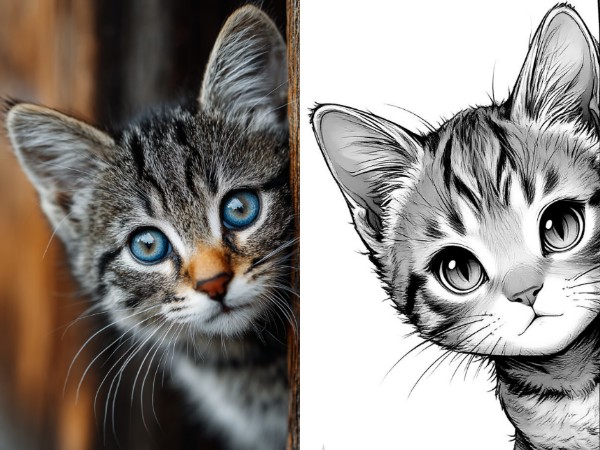
Moreover, the "AI image to sketch" transformation is incredibly versatile. It can be used for various applications, from personal projects and social media posts to professional designs and presentations. The simplicity and effectiveness of converting a "photo to drawing AI" mean that more people can explore their creativity without the need for extensive training.
Educationally, "ai photo to drawing" tools can significantly impact learning and creativity in classrooms. By integrating these tools, educators can engage students in art and design in a manner that is both contemporary and relevant. The ease of converting "image to drawing ai" allows students to focus on composition, design principles, and creativity without getting bogged down by the technicalities of drawing.
But perhaps the most profound impact of "image to drawing AI" is on professional artists themselves. While some may view AI tools as a threat to traditional artistry, many embrace them for their potential to enhance creativity. Artists are using these tools to experiment with new styles and techniques, expand their artistic range, and explore new ways of visual storytelling.
There's also a significant accessibility aspect. Tools like these empower people with disabilities to express themselves artistically in ways that might not have been possible before. By automating the physical aspect of creating a sketch, AI enables them to focus purely on the artistic vision. This development is particularly poignant, offering new voices a platform in the art world.
Despite some debate, the role of AI in art tends to skew towards a collaborative rather than a disruptive force. It's an exciting time in the art world as we continue to explore the potentialities of these innovations. For those curious about how AI continues to influence various sectors, further reading about artificial intelligence can be found on credible educational resources here https://en.wikipedia.org/wiki/Artificial_intelligence.
Adopting AI in artistic processes doesn't dilute the essence of creativity; rather, it propels it by providing tools that remove barriers and expand possibilities. As we advance, the integration of AI in art promises to lead us into an era of renewed creativity and inclusivity. This is the sketch revolution, where art meets the infinite potential of technology to explore new horizons, redefine boundaries, and invite all to partake in the beauty of creation.